Statement: Compassion or Exploitation? Unveiling the Truth Behind Enabling Narratives
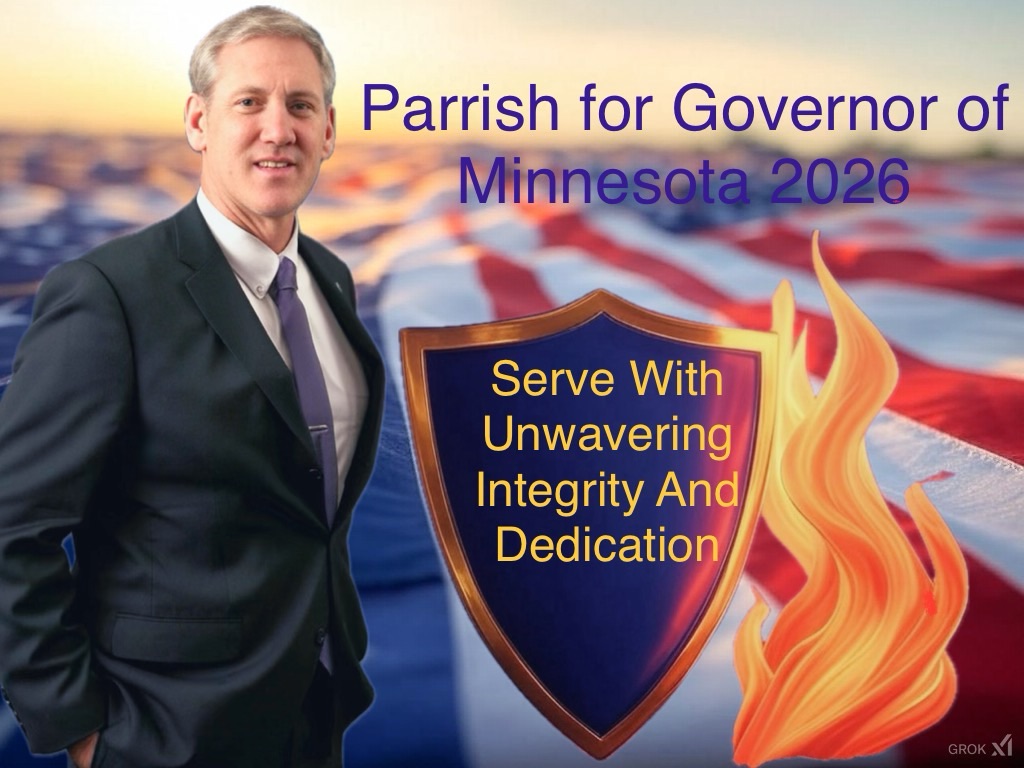
By Phillip C. Parrish, Candidate for Governor of Minnesota 2026
Issued on June 28, 2025, at 09:45 AM CDT
As Minnesotans, we pride ourselves on our hardworking spirit and quiet kindness—values that define our communities. Yet, too often, these virtues are exploited by disingenuous narratives that cloak self-serving agendas in the guise of compassion. The truth is stark: promising to “help” others without addressing root causes or setting boundaries does not uplift—it enables unhealthy and inappropriate behaviors. This is not compassion; it is a betrayal of those who toil and care, and it’s time we recognize the difference.
True compassion empowers individuals to grow and take responsibility, while enabling perpetuates dependency and harm. Consider the insights from LightHeart Associates, which highlight that enabling behaviors—often rooted in good intentions—can create strain in relationships by removing accountability (lightheartassociates.com, February 24, 2025). For example, offering endless support to someone struggling with addiction without encouraging treatment may seem kind, but it entrenches their hardship. The organization notes that breaking this cycle requires self-awareness and boundary-setting, not blind assistance. Yet, politicians and leaders too often peddle narratives of “help” that avoid these hard truths, exploiting the goodwill of people who want to do right.
This exploitation is evident in broader societal trends. The Community Protectors Project in Gadsden, Alabama, challenged individualistic faith narratives that link financial success to personal virtue, instead fostering a communal approach to poverty (purpose.com, January 10, 2025). While this shift aims to inspire collective action, it risks being co-opted by those who use it to justify handouts without accountability, enabling cycles of poverty rather than breaking them. Similarly, the Stanford Encyclopedia of Philosophy defines exploitation as taking unfair advantage of vulnerability (plato.stanford.edu). A poignant example is offering rescue to a stranded individual in exchange for their entire net worth—a transaction deemed wrongfully exploitative due to its unfairness, not its intent (Zwolinski, 2012). When leaders exploit our kindness with such tactics, they prey on our empathy while ignoring the long-term damage.
In Minnesota, we see this play out in policies that prioritize political optics over practical solutions. Governor Tim Walz’s recent alert about potential threats from Iran, lacking specific intelligence, exemplifies a narrative of fear-driven “protection” that offers no substance (X Post, June 22, 2025). This mirrors how enabling narratives operate—promising safety without addressing real vulnerabilities, such as cyber threats or domestic radicalization, which require proactive measures. The result? Hardworking Minnesotans are left anxious and misled, their goodwill hijacked for political gain.
Compassion must be rooted in empowerment, not enablement. Research from academia.edu on political behavior underscores that actions should be judged by their ends and means, not their labels (2012). Enabling unhealthy behaviors—whether through unchecked welfare or fearmongering—undermines the dignity of those we aim to help and the trust of those who support them. As your next Governor, I commit to policies that uplift through education, job creation, and accountability, not narratives that exploit our kindness for short-term applause.
Let us reclaim true compassion by rejecting exploitation in all its forms. Together, we can build a Minnesota where hard work and kindness are honored, not manipulated.
For a stronger, wiser Minnesota,
Phillip C. Parrish
Candidate for Governor, 2026
###