By Phillip C. Parrish, Retired U.S. Navy Lieutenant Commander, Farmer, Teacher, Administrator, and Candidate for Governor of Minnesota in 2026
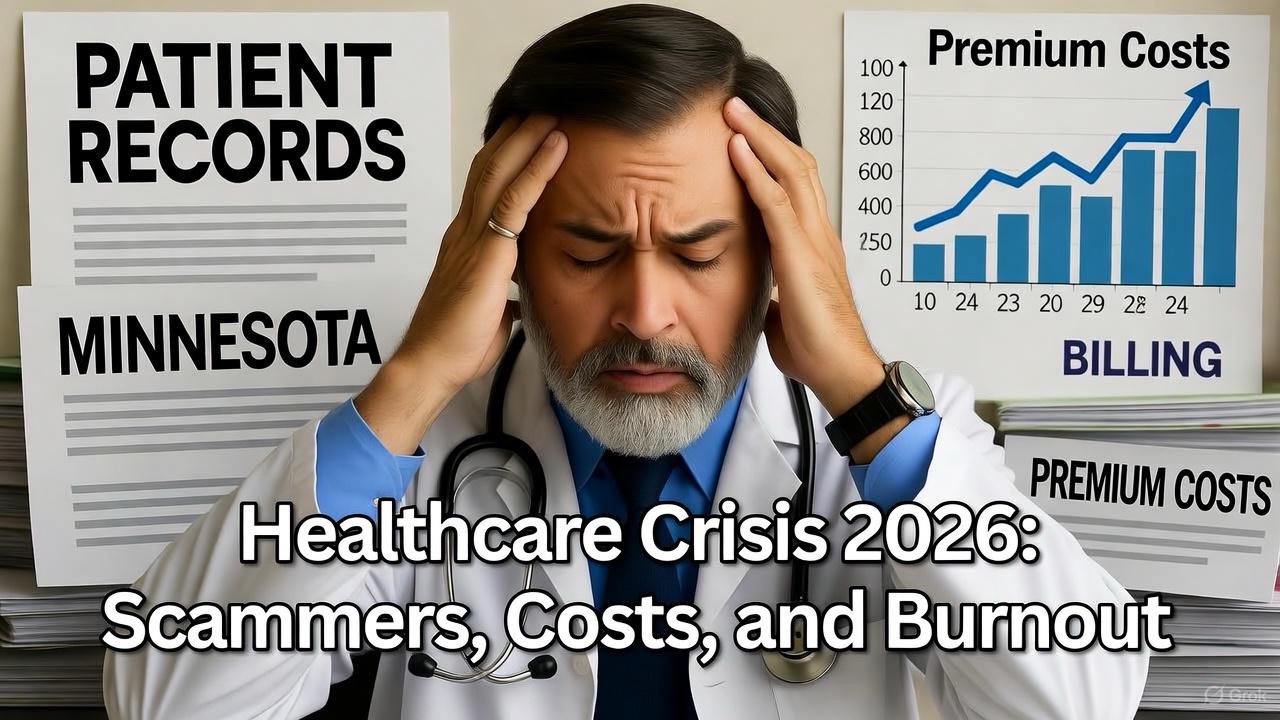
As of October 2025, Minnesota faces a stark health insurance affordability crisis, with premiums set to surge and access to care under threat. This isn’t about partisan blame—it’s about systemic flaws, exploitative practices, and demographic pressures that have built up over years. Drawing from state reports, federal analyses, and expert insights, this article dissects the key drivers, spotlights those gaming the system through fraud, and offers pragmatic short- and long-term fixes to restore stability and fairness.
The Current Landscape: Soaring Costs and Shrinking Access
Minnesota’s individual health insurance market is bracing for an average premium increase of 21.5% in 2026, the steepest since 2017, according to the Minnesota Department of Commerce. For nearly 90,000 enrollees through MNsure, this translates to an extra $177 per month on average. Small group plans aren’t far behind, with a 14.2% average hike. Nationally, KFF projections show ACA Marketplace premiums could more than double for many if enhanced subsidies expire, exacerbating the issue in states like ours.

This affordability crunch is projected to drive a dramatic rise in uninsured rates, potentially reversing Minnesota’s progress below 5% uninsurance. Meanwhile, provider networks are fraying: Major health systems like Allina and Mayo have dropped contracts with certain Medicare Advantage plans over payment disputes, affecting thousands. Doctors are exiting too—one in five Minnesota physicians plans to leave practice within five years, citing burnout from administrative burdens and insurance hassles. Rural areas face the brunt, with workforce shortages hitting family medicine hardest.

Root Causes: Beyond the Headlines
The crisis stems from a confluence of factors, starting with the expiration of temporary federal aids. Enhanced premium tax credits from the Inflation Reduction Act end in 2025, removing a buffer that kept costs down. Minnesota’s reinsurance program, which caps high-cost claims, is also sunsetting without renewal. These policy cliffs amplify underlying issues in the Affordable Care Act (ACA), which promised broad coverage but fell short on sustained affordability.
The ACA’s structure has inherent shortcomings: Subsidies cliff at 400% of the federal poverty level, leaving middle-income families exposed to full premiums. Vague eligibility rules have led to mismatches, and without robust price controls, adverse selection—where sicker individuals dominate pools—drives up rates for all. Out-of-pocket costs remain high for many, with 36% of Americans reporting affordability struggles despite coverage.
Demographics play a role too: An aging population increases utilization, straining resources. Hospital consolidations reduce competition, inflating prices, while drug costs rise 8% annually. Administrative red tape—prior authorizations, claim denials—eats into provider time, fueling burnout and exits.
Holding Scammers and Schemers Accountable
Fraud is a pernicious accelerator, draining billions and indirectly hiking premiums by 5-10%. In Minnesota, 2025 has seen a wave of crackdowns: Eight defendants charged in a housing stabilization scam defrauding Medicaid of millions. Abdifatah Yusuf was convicted of bilking over $1 million through fake billing. Federal probes into autism services fraud uncovered a $14 million scheme, with more investigations ongoing. Nationally, HHS takedowns in 2025 nailed 324 defendants for $14.6 billion in schemes, including phony enrollments on ACA exchanges—estimated at 4-5 million fraudulent sign-ups costing $15-20 billion. These aren’t victimless: They erode trust and force honest payers to subsidize the cheats.
Accountability means prosecuting vigorously—Attorney General Ellison’s Medicaid Fraud Control Unit, funded partly by HHS, has ramped up, but needs more resources. Gov. Walz’s executive order to combat fraud is a start, but systemic gaps like weak verification allow overlaps between Medicaid and marketplaces.
Viable Solutions: Short-Term Relief and Long-Term Reforms
Short-term actions can stem the bleeding:
• Extend Subsidies Temporarily: Renew enhanced tax credits for 1-2 years to avert the 2026 cliff, potentially keeping 20 million enrolled nationwide and stabilizing Minnesota’s market. State-funded premium aid for middle-income groups could bridge the ACA subsidy gap.
• Bolster Fraud Detection: Implement real-time income verification and AI audits via CMS pilots, saving billions without deterring legitimate users. Expand Ellison’s unit with bipartisan funding.
• Ease Provider Burdens: Streamline prior authorizations and claim processes through state mandates, reducing burnout and retaining doctors.
For long-term viability:
• Reform Reinsurance Federally: Make it a permanent backstop to cap claims, cutting rates 10-15% as in Minnesota’s model.
• Address Costs at the Source: Enforce site-neutral payments (equal reimbursement regardless of setting) and expand drug price negotiations. Promote transparency tools for shopping care.
• Boost Workforce Supply: Incentives for rural practice, telehealth expansion, and medical school growth to fill shortages.
• State-Led Innovation: Minnesota’s new Health Care Affordability Advisory Task Force is probing price growth limits and equal payments—build on this for tailored fixes.
By focusing on these evidence-based steps, Minnesota can move beyond crisis mode toward a system that’s truly affordable and accountable. The path forward demands collaboration, not division—let’s prioritize facts over finger-pointing.
###