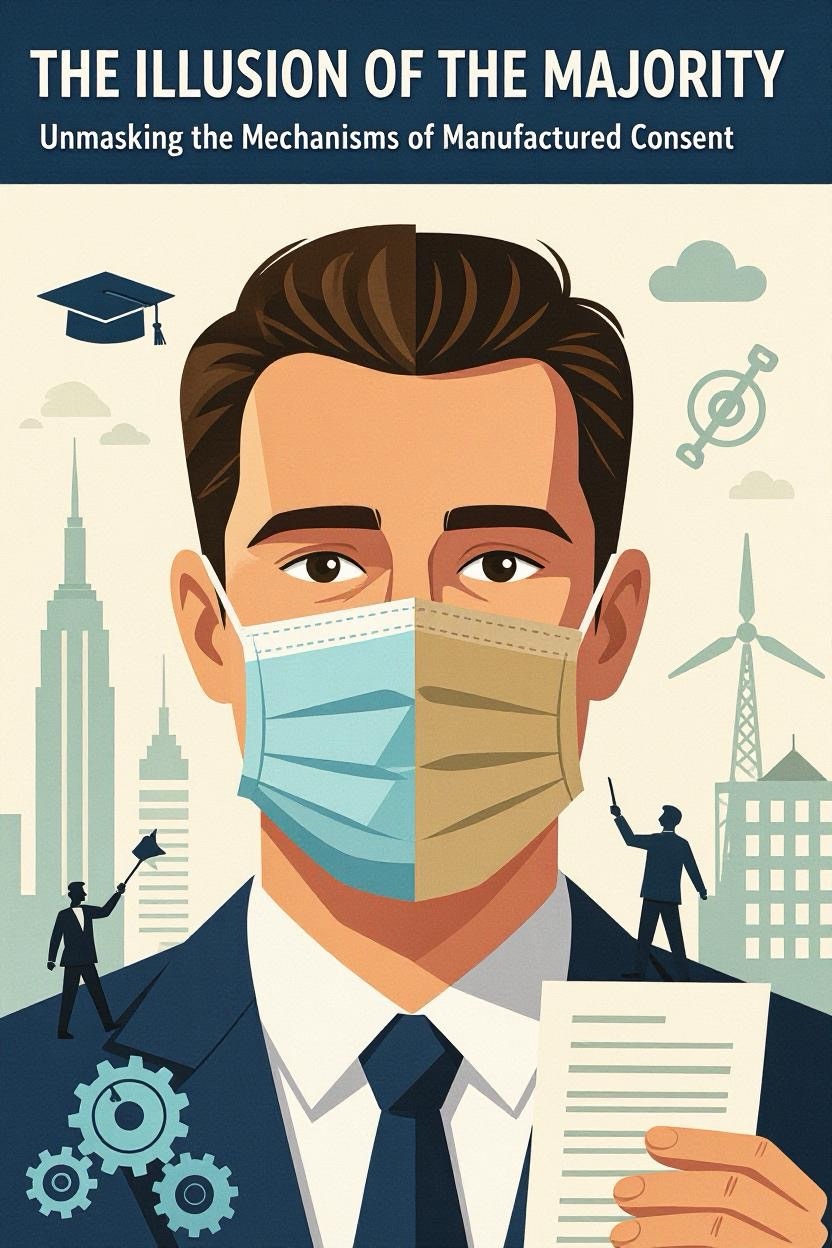
In an era where information flows faster than ever, it’s becoming increasingly clear that what passes for popular opinion often isn’t organic at all. Trends, movements, and narratives that dominate headlines and social feeds are frequently propped up by vast financial resources, sophisticated manipulation tactics, and institutional biases. Without these artificial supports—like bot farms, paid protesters, and indoctrination through education and legacy media—the voices claiming to represent the “majority” might shrink to a whisper. As evidence mounts, those still on the fence face a stark choice: embrace the truth or cling to comforting illusions at their own risk.
The Digital Deception: Bot Farms and Social Media Manipulation
Social media platforms, once hailed as democratizing forces, have become battlegrounds for influence operations. Bot farms—networks of automated accounts designed to amplify messages—play a central role in creating the illusion of widespread support or outrage. These operations, often run from data centers filled with thousands of smartphones, generate fake engagement to push narratives on everything from politics to consumer trends.
For instance, a 2025 investigation revealed how governments, influencers, and corporations use these farms to hijack public sentiment, with AI enhancing their sophistication. Russia’s use of AI-powered bots to impersonate Americans and spread disinformation is a prime example, as uncovered by the U.S. Department of Justice in 2024. On platforms like X (formerly Twitter), these bots inflate likes, retweets, and trends, making fringe ideas appear mainstream. Recent X discussions highlight how such farms, including those linked to Israel, India, and Russia, distort debates on global issues. Without this artificial boost, many “viral” opinions would fail to gain traction, exposing the small core groups behind them.
Astroturfing the Streets: The Rise of Paid Protesters
What appears as grassroots activism is often “astroturfing”—manufactured movements funded by wealthy interests to simulate public support. Paid protesters, hired through companies like Crowds on Demand, have been documented in various contexts, from anti-Trump rallies to corporate campaigns. This Beverly Hills-based firm openly advertises services to provide crowds for political events, with clients offering up to $200 per participant.
Recent examples include buses transporting protesters to events like the “No Kings” demonstration in Washington, D.C., where participants admitted to being compensated. Investigations by journalists like Nate Friedman have uncovered networks funding urban protests, often tied to NGOs and figures like George Soros. On X, users frequently call out these tactics, noting how the same faces appear at multiple events, from BLM marches to anti-ICE actions. These operations create the facade of a massive movement, but strip away the payments, and the crowds often dwindle, revealing the limited genuine backing.
Institutional Indoctrination: Education and Legacy Media’s Role
The foundations of public opinion are laid early, through systems that critics argue prioritize ideology over critical thinking. The U.S. education system faces accusations of indoctrination, with curricula allegedly promoting biased views on history, identity, and politics. A 2025 White House executive order aimed to end “radical indoctrination” in K-12 schools, citing erosion of critical thinking and division. Reports from organizations like the American Bar Association highlight how restrictions on topics like racism and gender stifle open discourse, while others, such as the National Education Policy Center, counter that right-wing efforts impose their own biases.
Legacy media amplifies this, often accused of overplaying narratives to shape public perception. Studies show disinformation spreads rapidly on social networks, with biased reporting contributing to polarized views. X threads criticize media for indoctrinating audiences, linking it to educational biases that produce generations uncritical of dominant narratives. This overreach, as some argue, has backfired, exposing the indoctrinated and fueling distrust in institutions.
The Myth of the Majority: Small Groups Amplified by Manipulation
At the heart of this is the claim that a vocal minority masquerades as the majority through media and digital amplification. Research from Data & Society shows how manipulators exploit online participatory culture to turn platform strengths into weaknesses, spreading misinformation to influence elections and public confidence. Cases like foreign disinformation targeting U.S. communities of color illustrate how small actors can project outsized influence.
On X, discussions point to how bot farms and paid ops sustain this illusion, with users noting that without such tactics, support for certain agendas evaporates. This echoes broader critiques: when manipulation is stripped away, the “majority” often proves to be a well-funded facade.
Facing the Fork: Truth or Peril
The evidence is mounting: from AI-driven bot armies to orchestrated protests and institutional biases, the mechanisms propping up alleged consensuses are artificial and fragile. Those who control the narrative—through trillions in funding and systemic influence—have overplayed their hand, awakening more people to the manipulations at play. If you’re still undecided, the plunge is coming: align with verifiable truths or risk the consequences of willful ignorance. In a world of illusions, choosing reality isn’t just wise—it’s survival.
Phillip C. Parrish is a retired U.S. Navy Lieutenant Commander, farmer, teacher, administrator, and candidate for Governor of Minnesota in 2026.
###